From a cat to an axolotl – Amy’s planned for every pet in her will
Create a will online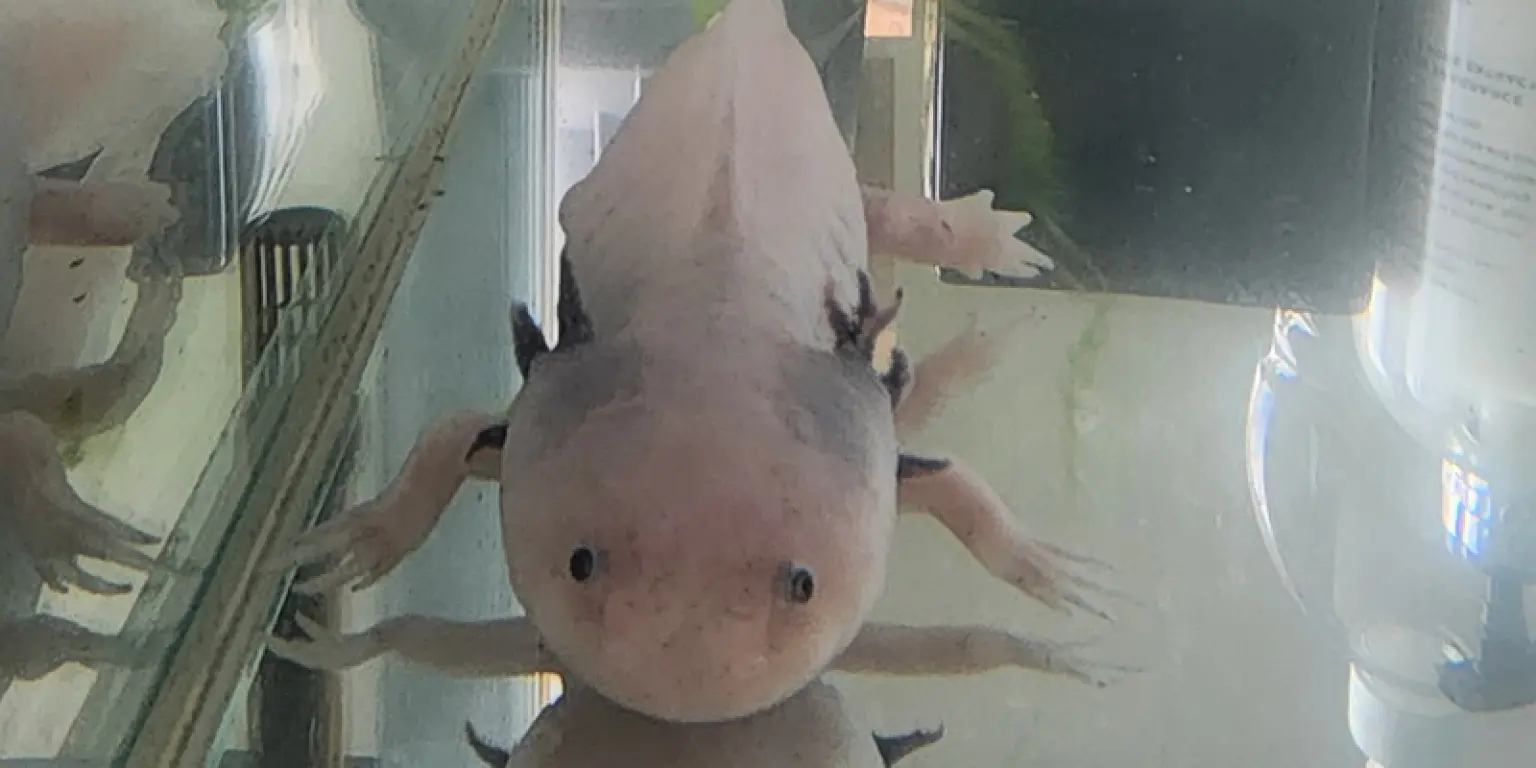
After her years of volunteering for the SPCA in Wellington, Amy’s seen what can happen to pets when their owner dies without a plan for them.
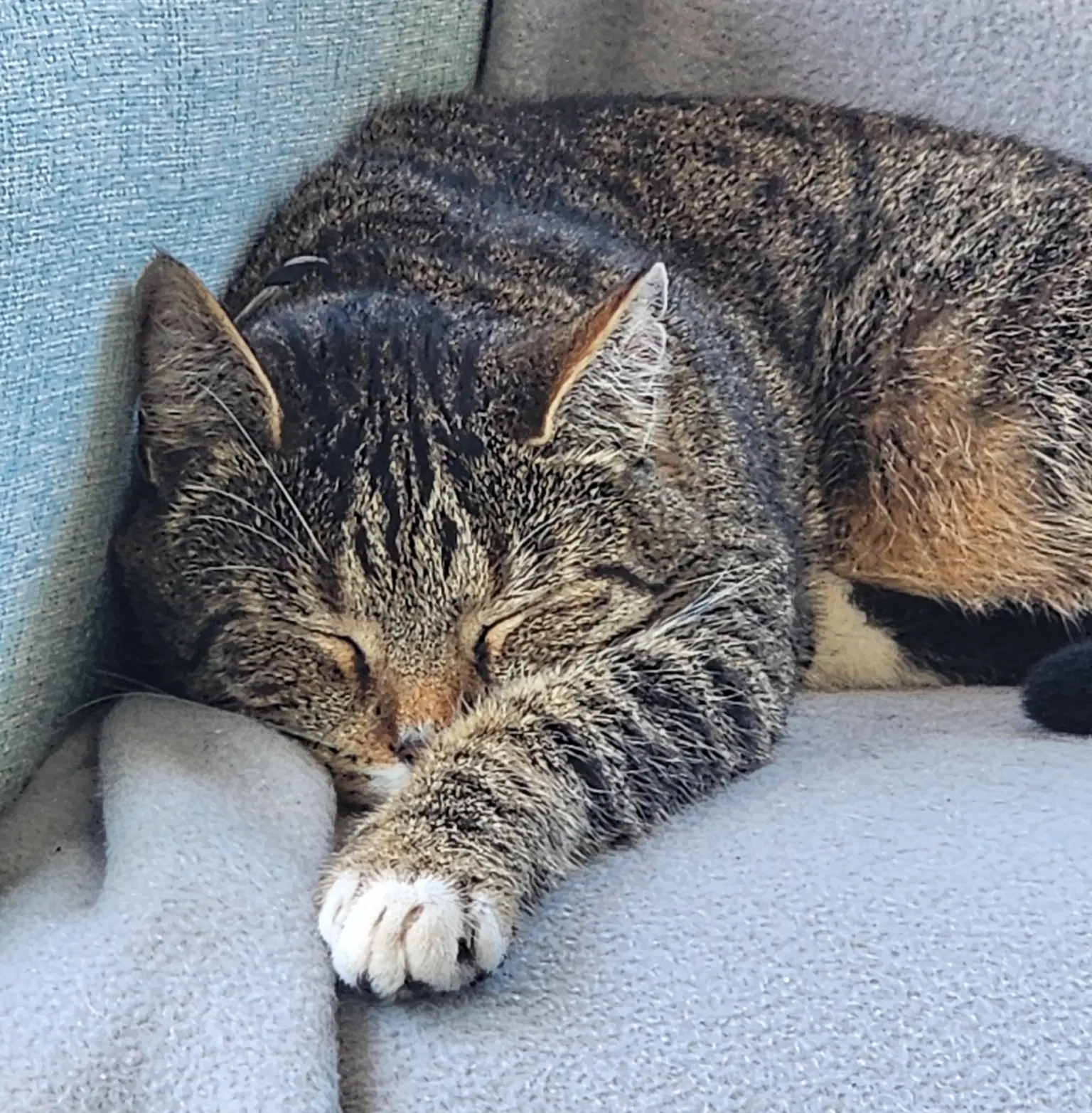
So when Amy made her will, she thought carefully, not just about her cat Brody, but also about Selwyn, her axolotl (a type of small amphibian).
Where she volunteered, pets often ended up in a shelter, confused and distressed when their owner died.

“There were times when an elderly person had died and their pet was now homeless and they hadn’t spoken to any relatives about what might happen. It’s incredibly stressful for a pet to be in a shelter – to go from a loving home into a small cage. It was heartbreaking.”
While she knew her pet-loving family would likely step in to take her pets if she died, Amy wanted peace of mind.
In her will, Amy’s wishes are for her cat Brody, 5, to go to her older sister, and Selwyn, her axolotl, to go to her younger sister.
“I considered each animal’s personality and needs when I decided who gets which animal.”
Plan for your pets
Public Trust is raising greater awareness about planning for our pets after we pass away. In New Zealand, pets are treated as property under the law. That means you cannot leave money or assets directly to your pet. But you can leave your pet to someone you trust in your will, along with funds to support their care*, and set out how you’d like them looked after in a statement of wishes.
A little planning now can help ensure your pet is looked after in the way you would want, giving you peace of mind for their future.
Start the conversations
Amy, in her 40s and now living in Christchurch, spoke to her sisters about inheriting the animals and encourages others to start those conversations.
When you’re planning for your pets’ future without you, think of what’s best for them and who would be suitable to care for them, knowing their needs, Amy says.
“My niece and nephew absolutely adore Selwyn. Every time they come over they want to feed him – they think he’s brilliant.”
While she hasn’t got any formal instructions written down just yet, she’s given extensive verbal instructions many times, including to her brother-in-law too, she says with a chuckle.
“Now that my will is sorted with my pets’ plans, I feel relieved to be honest.”
Encouraging others to make a plan
“I’d encourage others to make a plan because you never know what’s going to happen. I know people who have gone out and not come home again after a heart attack in their 40s,” Amy says.
An axolotl isn’t your typical pet, and Amy often gets curious questions about Selwyn from people who have never seen a live axolotl before.
“When I was at primary school, when I was about seven or eight, one of the teacher aides brought hers into the class, and we all took turns feeding it worms. It was the coolest thing ever at that age, and I wanted one for years,” Amy says.
Selwyn is proof that no pet is too small to be included in your will.
“If you have something that matters, it’s important to make sure it’s protected – and my pets matter to me,” Amy says.
“It’s important to me that my pets will be taken care of after I’m gone.”
*Note: This type of gift is not legally binding. That means the caregiver is not obligated to use the funds for pet-related expenses.