Ann Marie’s story: “It was Dad’s advice to write a will – and I included my dog too’
Create a will online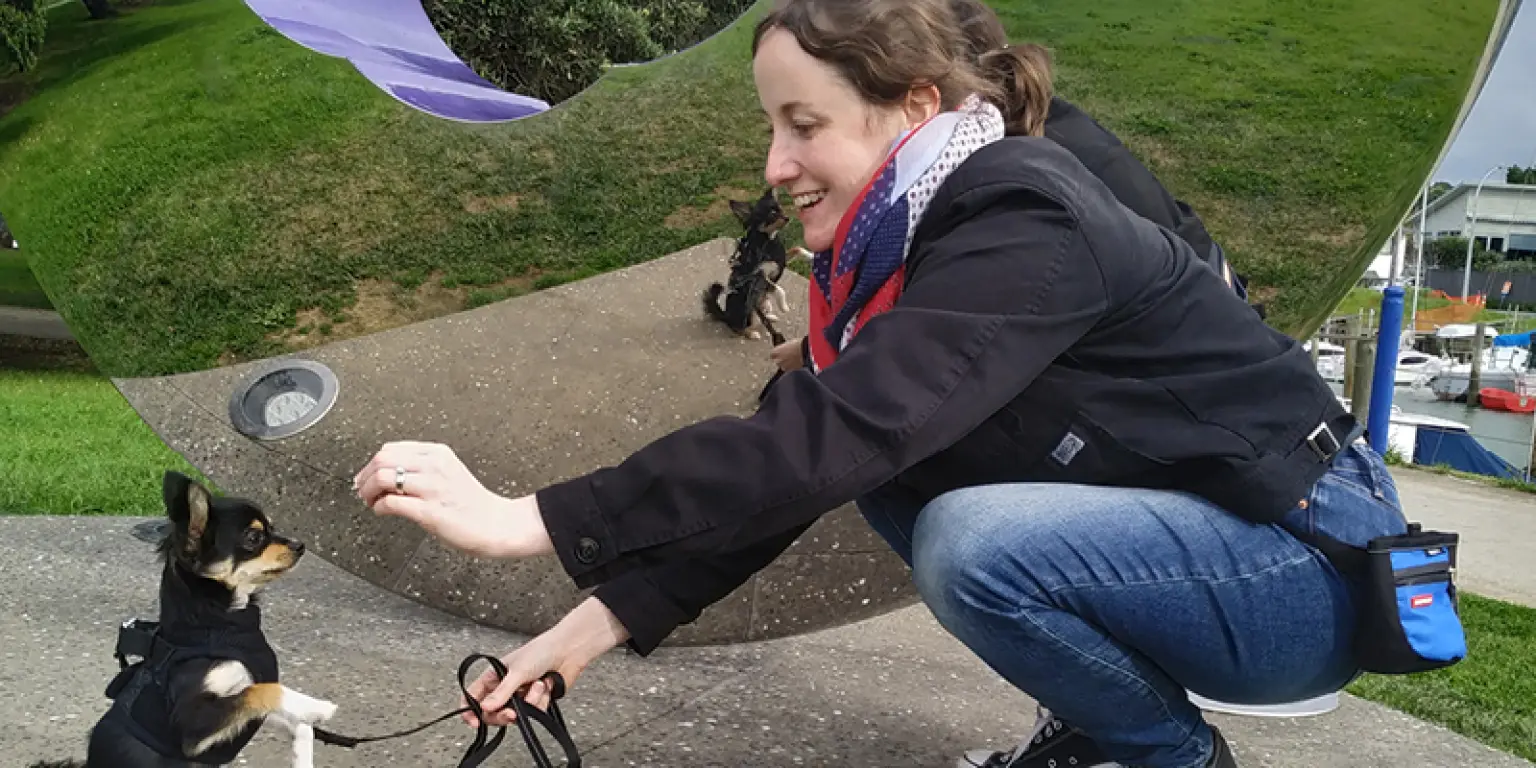
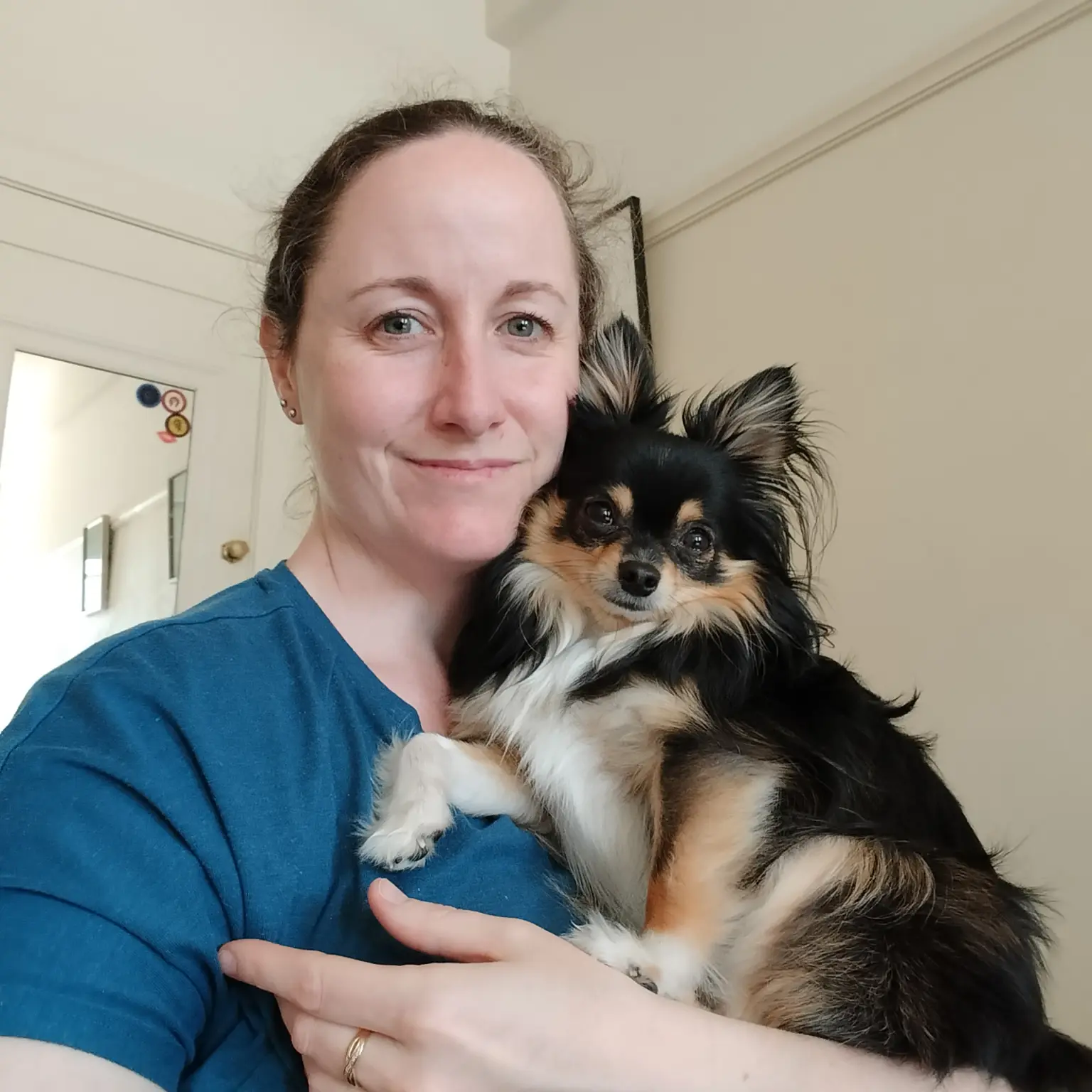
Ann Marie got her first will at age 25 because it was something important her late dad drilled into her.
“He said you’ve got to do your will, and you’ve got to do it with Public Trust because it’s the easiest one to go through,” she says.
“I normally listen to my Dad for advice, so that was what started it. He’s pragmatic and we always had open discussions about these types of things – you never know what’s going to happen and life can change in an instant,” she says.
“That’s something I am trying to instil in my own son (aged two). Even if the conversations are difficult, they are important because they set you up for the future.”
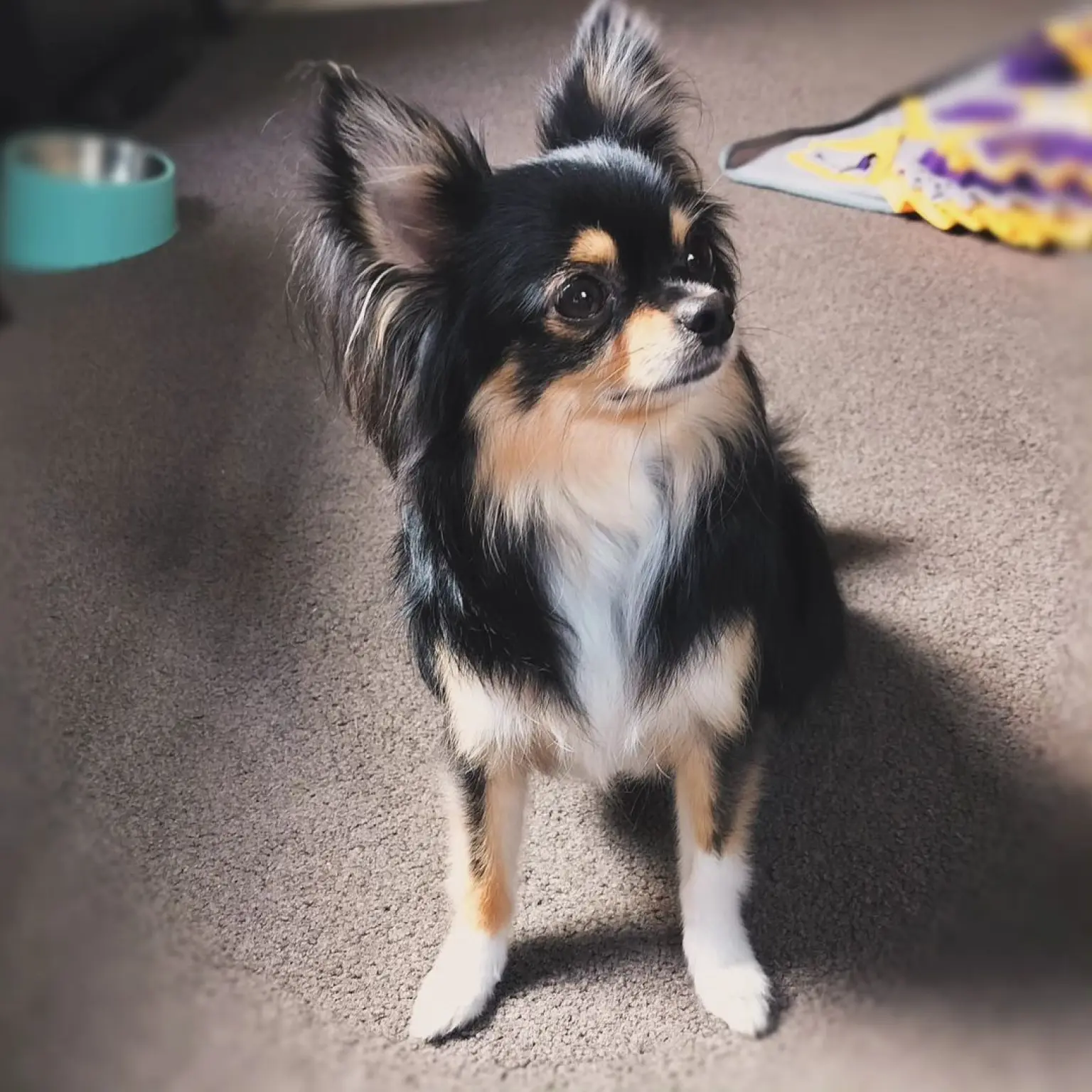
When Ann Marie got her chihuahua Pinto in 2021, she made sure he was included in her will too.
Plan for your pets
Public Trust is raising greater awareness about planning for our pets after we pass away. In New Zealand, pets are treated as property under the law. That means you cannot leave money or assets directly to your pet. But you can leave your pet to someone you trust in your will, along with funds to support their care*, and set out how you’d like them looked after in a statement of wishes.
A little planning now can help ensure your pet is looked after in the way you would want, giving you peace of mind for their future.
A plan can give you peace of mind
Ann Marie and her partner got Pinto during the second Covid-19 lockdown. “We call him our mental health dog. With him, there was a reason to go out and get some fresh air and exercise. He kept us happy and he gave us purpose.”
She says Pinto will probably live a long time, as chihuahuas can live for more than 18 years.
“I’ll likely outlive my dog, but just in case, having that knowledge he will be looked after is good peace of mind.”
Have the important conversations
Ann Marie named a family member in her will to look after Pinto.
“It’s an important step in the process to have that conversation with the person. He’s a familiar person to Pinto and they both love each other, so it was a no-brainer,” she says.
“It was important to include Pinto as he’s part of the family – we didn’t want him left in limbo or any grey areas about where he would end up.”
*This type of gift is not legally binding. That means the caregiver is not obligated to use the funds for pet-related expenses.