The pets left behind: What can happen when older pet owners don’t make a plan?
Create a will online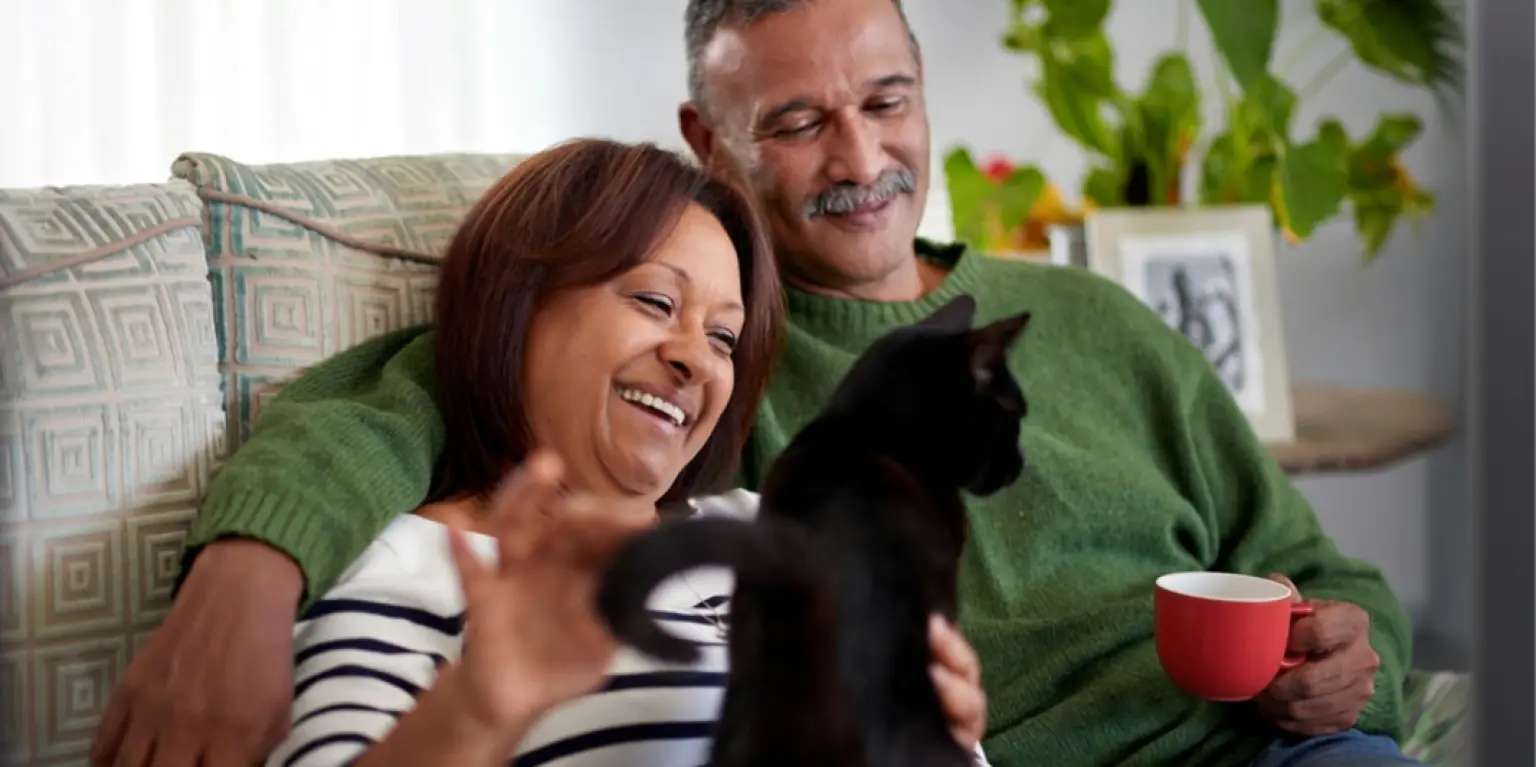
Many older Kiwi assume family members will automatically step in to care for a beloved pet when needed. But without a clear plan, pets are more likely to face uncertainty and even rehoming when their owner dies, loses capacity or moves into residential care.
Pets are important companions
While we often spend years looking after our pets, many of us never stop to consider who would look after them if something happened to us. But decisions and instructions for your pet are an important part of estate planning.
“Many people think they’ll outlive their pets. But with around half of over-65 households owning a companion animal, it’s something we shouldn’t overlook,” explains Glenys Talivai, Public Trust Chief Executive.
While many people assume a friend or family member will step in to take the pet, the reality is not everyone is willing or able to, Talivai says.
Not everyone can take on a pet
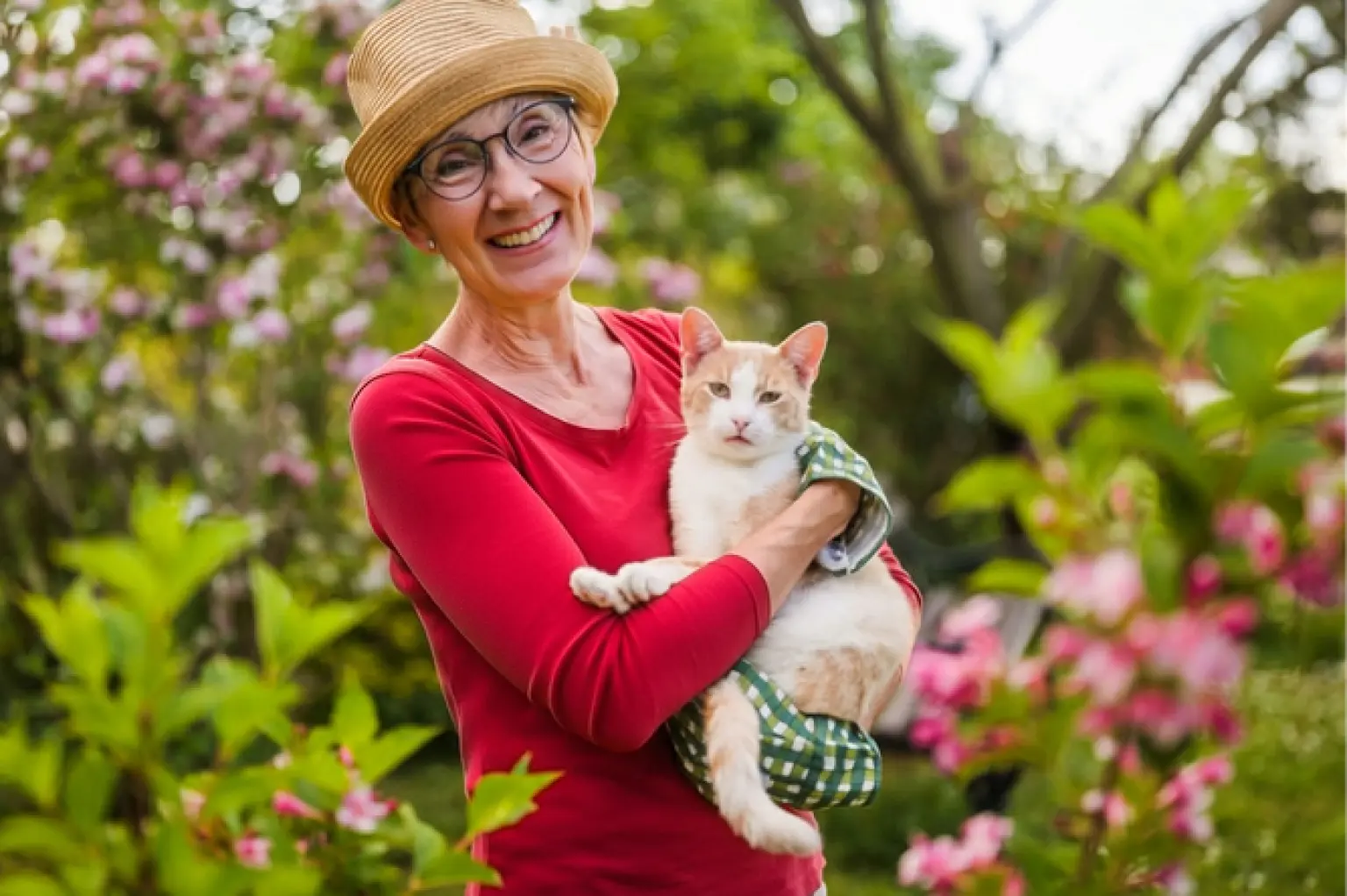
Ana explains that while she was growing up, her father was always bringing home cats from the retirement home where he worked. Their owners had died, the cats were elderly, and no family members wanted to take them.
“We had so many cats come through our family home. It was just assumed the families and adult children would take them, but they never did,” Ana says.
Seeing this happen time and again was why Ana included her cats in her will.
Plan for your pets
In New Zealand, pets are treated as property under the law. That means you cannot leave money or assets directly to your pet. But you can leave your pet to someone you trust in your will, along with funds to support their care*, and set out how you’d like them looked after in a statement of wishes.
A little planning now can help ensure your pet is looked after in the way you would want, giving you peace of mind for their future, as well as making things a lot easier for loved ones left behind.
Rehoming a pet on top of grieving
Briony** didn’t expect to be left with the stress of having to rehome her mother’s cat when she died, on top of the grief.
Briony couldn’t take the pet as they already had animals.
“I thought someone in mum’s retirement home would want to adopt her cat, and I think Mum would have probably thought the same,” Briony says.
It’s important to plan for the future
Public Trust expert Samantha Clemens says she often sees pets left without a clear plan when their owner loses capacity and moves into residential care or passes away. Sadly, when no one is willing or able to take on the animal, it can mean the pet is left to be rehomed through a rescue organisation. This can be challenging if the pet is older or has health issues, she says.
Samantha says it’s important to have conversations with your loved ones too.
“It gives those taking care of things some direction about what you would want to do if you were still able to make those decisions yourself.”
*This type of gift is not legally binding. That means the caregiver is not obligated to use the funds for pet-related expenses.
**Names have been changed for privacy reasons.
Make a will
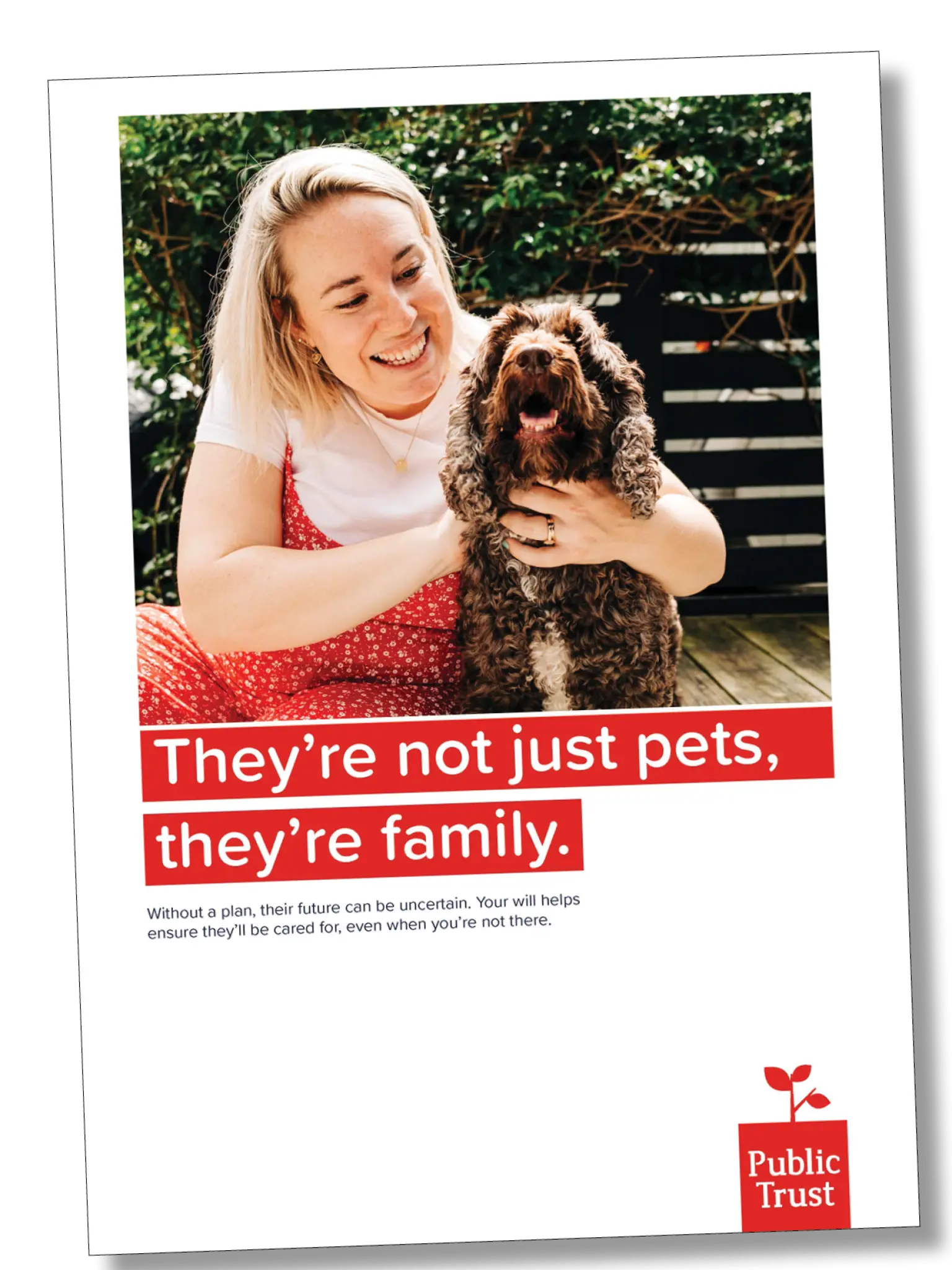
Find out everything you need to know about making a will with Public Trust or download our pet planning guide below.