Hidden harm: Financial elder abuse often starts close to home
Create a will and EPAs online
Public Trust specialist Alys O’Malley has seen the damage financial elder abuse does, and even seen signs of it happen to her own friends.
This Elder Abuse Awareness Week (15-21 June), Alys is backing the call to remind people that you are not alone and help is available.
Through Public Trust’s work managing the finances of vulnerable people, Alys has encountered situations where trust has been exploited. In one case where Public Trust intervened, a support worker had taken financial advantage of a vulnerable customer.
Alys explains the team received a bank statement and saw three significant withdrawals.
“We jumped into action, working closely with the bank, the police and the caregiver's employer. The funds were recovered and the caregiver was removed from their role. It reinforced for me how important strong safeguards, vigilance and early action are when something doesn't feel right.”
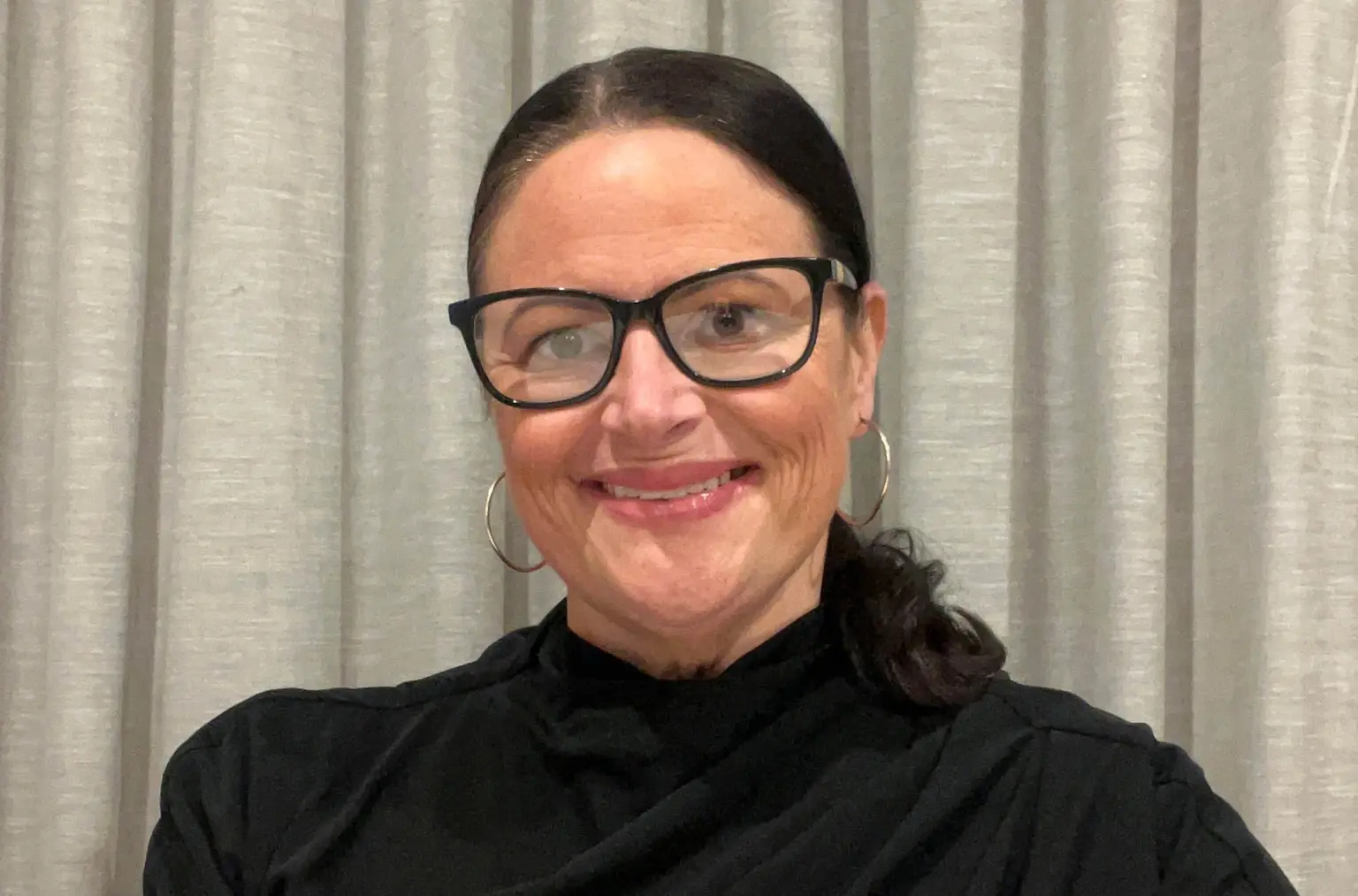
The issue became even more personal when Alys recognised warning signs in the life of an older friend a few years ago.
“She had come into a significant inheritance, and not long after that, a relative she hadn’t been close to suddenly reappeared and this shifted into requests for money.”
Alys was able to help her friend identify what was happening.
“It’s important to support people to trust their instincts when something doesn’t feel quite right.”
EPAs help give you control
Enduring powers of attorney (EPAs) are the most important tools people have to take control of their future, Alys says. EPAs allow you to choose a trusted person (your attorney) to make decisions on your behalf if you lose mental capacity. There are two types of EPAs: one that sets up management of your financial affairs, and one that covers decisions about your health and welfare.
EPAs are an important legal protection as they give you a say in who makes decisions on your behalf. It is vital you trust the person or organisation you appoint because they may have significant control over your finances and property.

“EPAS are not a complete safeguard against financial abuse, but they are a strong foundation for protecting people. Who you choose as your attorney really matters,” Alys says.
“It needs to be someone who will act with integrity, respect your wishes and understand their obligation to act in your best interests.”
When it comes to property EPAs, you can also choose to appoint a professional trustee organisation like Public Trust as your attorney. This is a useful option if you’re worried that financial matters will be challenging for loved ones, and you can request that family or friends still be involved in decision-making.
What happens when there’s no EPA
Alys sees every day in her work what happens when people lose mental capacity and do not have an EPA in place.
“Families often need to go through the court to get authority to act, which can take time and be emotional, and bring financial pressure. It also introduces delays and uncertainty around decision making.”
When a person doesn’t have an EPA in place, Public Trust can step in to manage the finances of a vulnerable person, under the Protection of Personal and Property Rights Act.
“Having an EPA gives everyone more clarity and can help reduce the stress,” Alys says.
Know you’re not alone this Elder Abuse Awareness Week
This Elder Abuse Awareness Week (15-21 June), Public Trust is spreading the message that you don’t have to face things alone and there is help available when you need it. We’re standing alongside community leaders to raise awareness about financial elder abuse and share practical advice from trusted experts, including Age Concern and the Office for Seniors.
“Knowing you're not alone can be the first step towards getting the right support and protection,” Alys says.
Read more here about the signs and where to go for help.