
In this series of articles, we answer commonly-asked questions about estate planning – wills, enduring powers of attorney and estate administration – to help you and your whānau make informed decisions.
Question from Bec*: I recently found out you can include your pets in your will, but I’m not sure how. Can I leave them an inheritance? How does it work?
Thanks for your question Bec. It’s something people ask us more often as they learn about ways to include their pets in a will.
While many people assume a friend or family member will step in to take the pet when you die, the reality is not everyone is willing or able to.
In New Zealand, pets are treated as property under the law. While they can’t inherit directly, owners can nominate a trusted person to care for them, leave funds for their care* in a will, and set out how they’d like them looked after through a statement of wishes.

It’s important to plan for the future
Public Trust expert Samantha Clemens says she often sees cases where pets are left without a clear plan when their owner loses mental capacity and moves into residential care, or passes away. Sadly, when no one is willing or able to take on the animal, it can mean the pet is left to be rehomed through a rescue organisation.
This can be a distressing experience for pets, Samantha says, which is why it’s important for owners to leave clear instructions.
“It gives those taking care of things some direction about what you would want to do if you were still able to make those decisions yourself.”
It was important for Samantha to include her three pets in her will.
“If I died and still had pets in my care, whoever is administering my estate will know what I wanted to happen to them.”
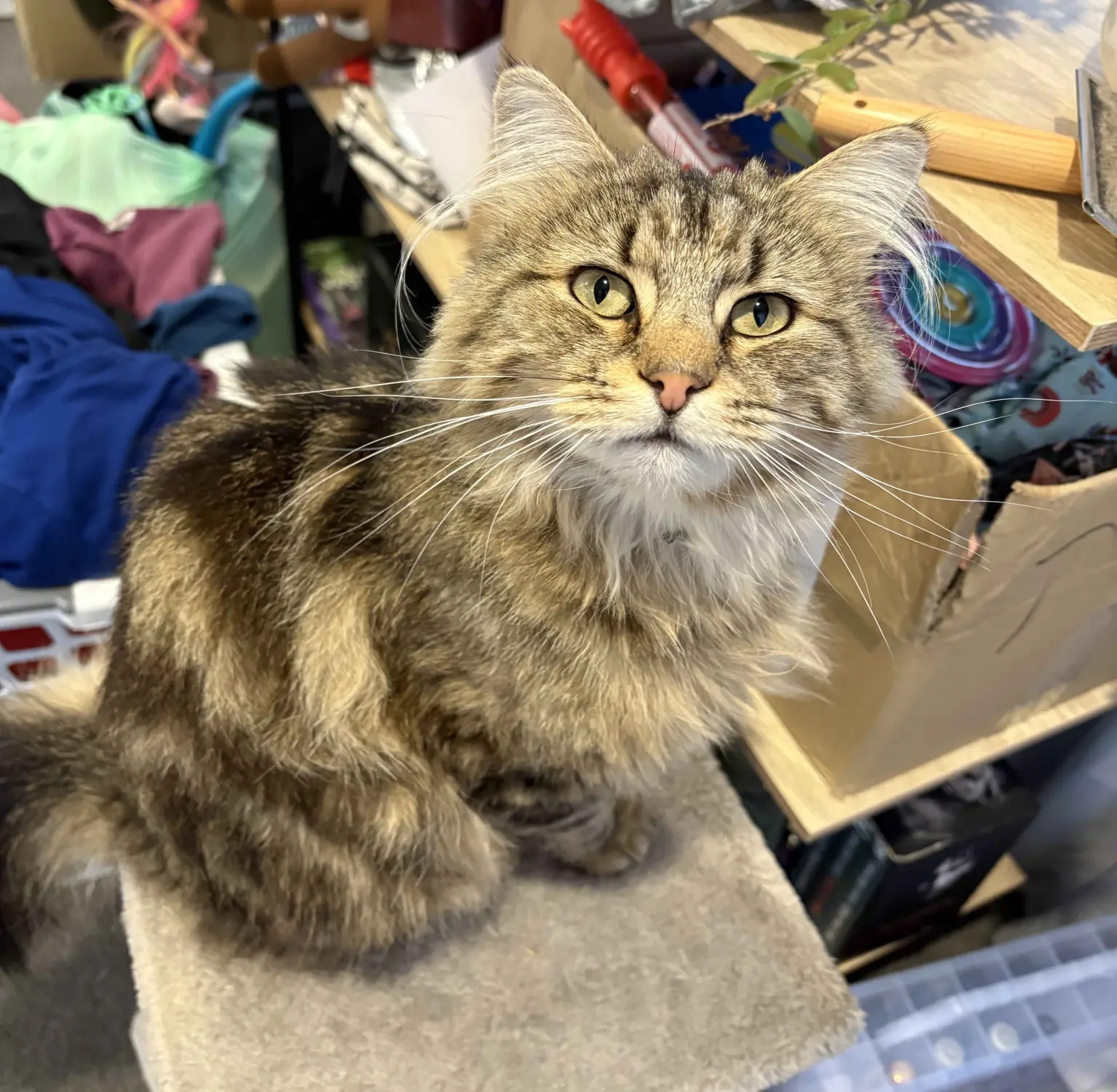
Formalise your wishes in a will
In your will you can name a trusted person you’d like to take on the care of your pets. Choose someone you believe will act in their best interests.
While you can’t leave money to your pet, you can:
Leave a specific sum of money to the new guardian to help cover food, vet bills, insurance, grooming and other pet care costs.
Clearly state the gift is intended to support your pet’s care, with guidance on how it should be used.
*This type of gift is not legally binding. That means the caregiver is not obligated to use the funds for pet-related expenses.
Share care instructions
A statement of wishes is a document that can accompany your will. It’s a way to help you hand over special care instructions for your pet, leave personal message to loved ones and explain your instructions in your will. We recommend keeping instructions for your pet simple.
Start the conversations
If you’ve got someone in mind to take on your pet when you die, speak to them first. If you arrange for your pet to go to an animal charity, it’s important to discuss and agree this with the organisation in advance. In your will, you can also leave a specific sum of money to that organisation, so they can rehome and care for your pet.
Keeping instructions in your will simple and clear can make things a lot easier when your estate is being administered after you die.
A little planning now can help ensure your pet is looked after in the way you would want, giving you peace of mind for their future.
Got a burning question you'd like our experts to help with? Get in touch here.
*Names have been changed for privacy reasons.