A $1.7 million inheritance – how one unexpected phone call unlocked a piece of family history
Create a will and EPAs online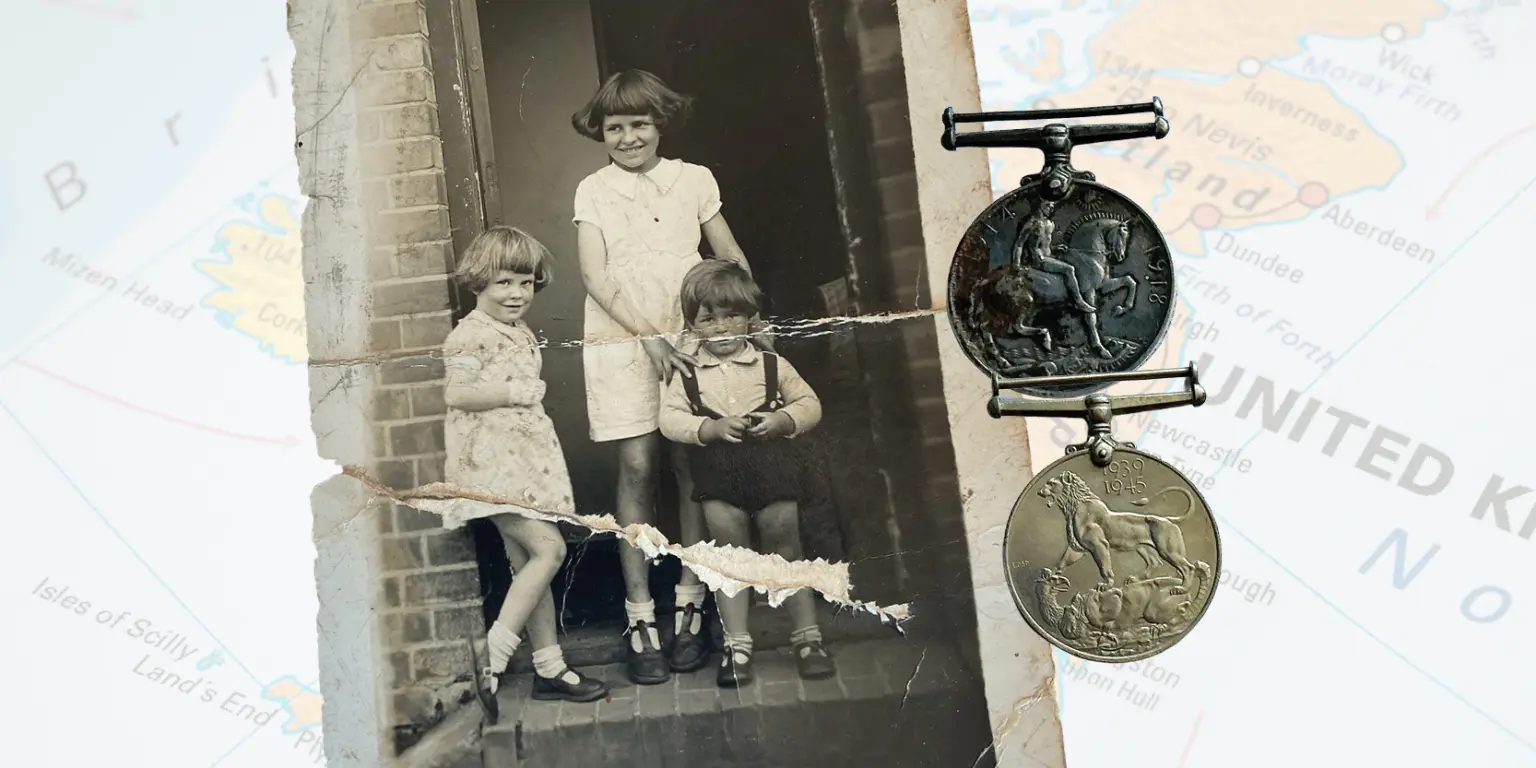
For many of us, it’s the stuff of dreams. A phone call, saying your family is the rightful receiver of millions of dollars after an older relative died.
That’s exactly what happened to Charlotte, when out of nowhere her family received a phone call from Public Trust, asking if they were related to a man Robert who had died.
“I was gobsmacked. It was right out of the blue,” Charlotte explains from her Auckland home.
“They called my son first, who thought it might be a scam. Then he had a second thought and said, ‘Oh, we do have an Uncle Bob’. He had never met him.”
The search for surviving relatives
The youngest of four children, Uncle Bob had passed away in Tauranga without a will, aged 92. His wife Josie had died several months earlier. The case was passed to Public Trust to administer the estate and find surviving relatives to receive the around $1.7 million inheritance.
Public Trust specialist Yvette Ramsunder explained the detailed search to find the family members located around the world, taking months. Eventually she found details of Bob’s family through his Permanent Resident Visa from the 1980s, leading them to his niece Charlotte, and two relatives in England, with the help of a genealogist. They will receive a share of the inheritance.
From military service to a life in New Zealand
Charlotte explains her Uncle Bob was a clever man, working in tool engineering, who kept to himself.
He had been called up for military service for England, after the Second World War. Charlotte explains: “As he was coming into land into Egypt, the plane ahead of them, also carrying conscripts, crashed and burned. And for a very long time he wouldn’t travel at all. Eventually they decided to move to New Zealand and he got on a plane finally.”
There were some unusual phone calls from Josie and a reluctance for any of the family to visit, despite Charlotte and the family’s efforts.
“I hadn’t heard from Josie for a while, and I did wonder if maybe she had passed away. But I knew we weren’t going to hear from Uncle Bob because he didn’t seem interested in any contact with us. It was just very sad.”
Family medals and photos included in estate
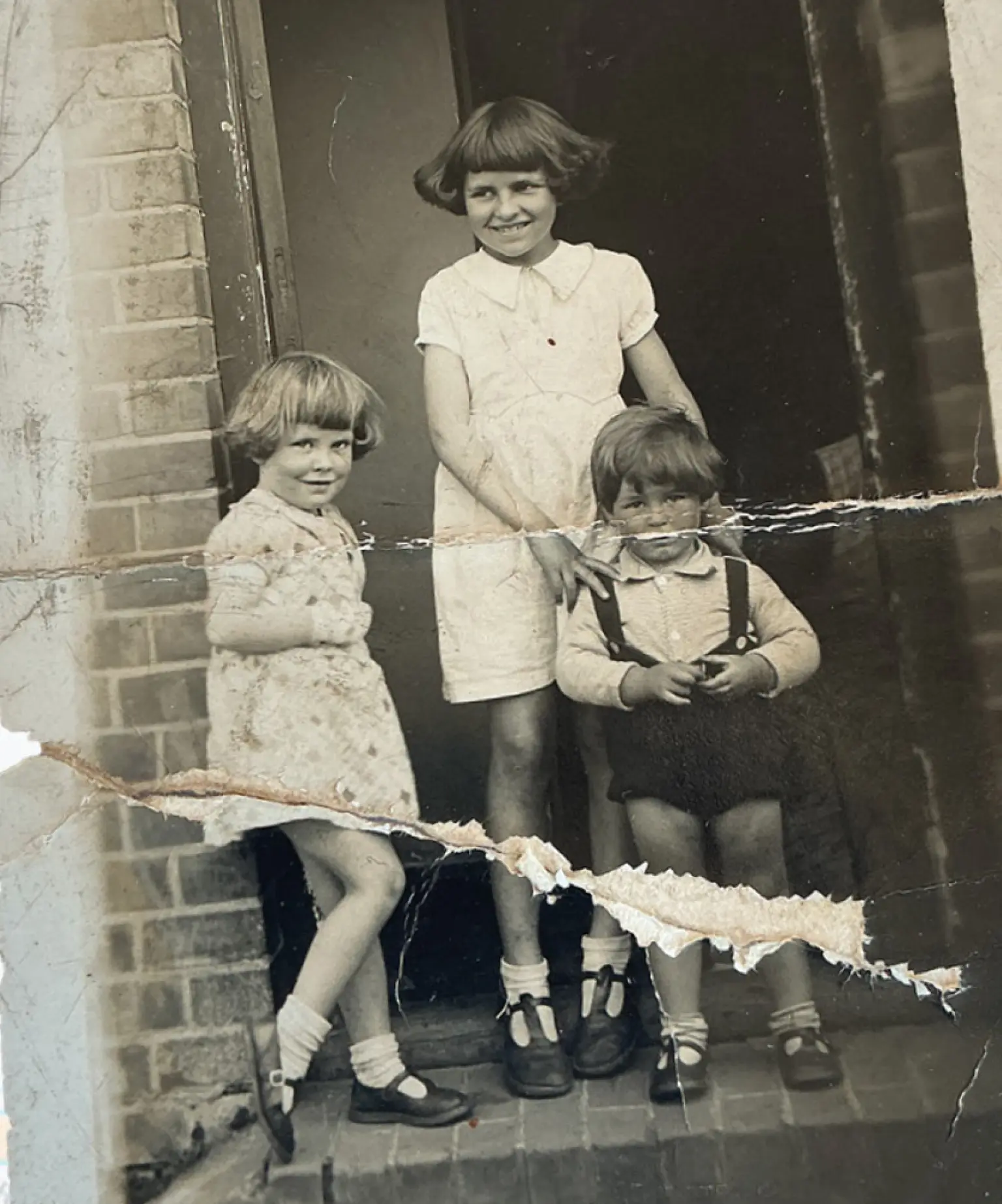
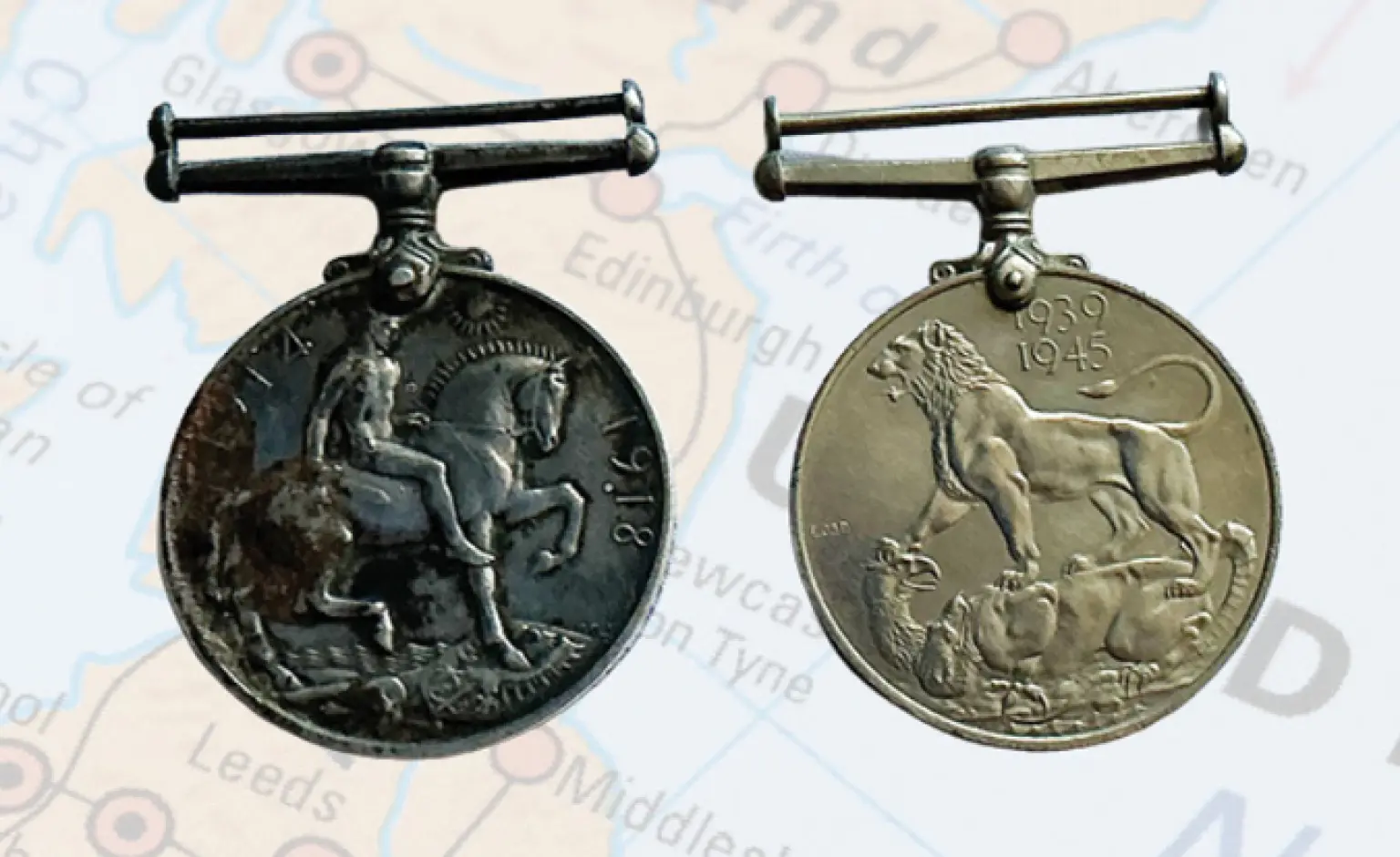
Also part of the inheritance are army medals, family photos and jewellery. The medals are Bob’s father’s, from his conscription into the army during the First World War for England.
“He ran away at age 16 to join up,“ Charlotte says.
“He ended up being made a prisoner of war, in Vienna we think. Then for the Second World War, he was of age, and went away again.”
Of comfort is the fact that Uncle Bob and Josie were buried together and the headstone updated, which Yvette arranged. “When I found out he had been cremated and they made sure he was in with Aunty Josie, that was really reassuring and nice to know. We really appreciated that. They were very close.”
A lasting reflection
The story is tinged with sadness too, about Uncle Bob’s final months alone.
“It’s going to be very nice to have the money, and I’m going to pass some to my sons, but I do wish they’d spent it on themselves. When Aunty Josie used to call, she said they were in a flat upstairs and it was so hard getting the shopping up the stairs and going up them caused her pain. Then I just think, ‘Why didn’t you spend some of that money making your lives easier?”
In the last year, around 2,000 people died without a will who had to then work through the courts to resolve their estate. Some of these are resolved by Public Trust. Having a will can save time and money, and make things easier for loved ones left behind, who will know what your wishes were.